
Jedermanns Risiko liegt bei 50 %: jeden Zweiten trifft es. Wenn Nervenzellen erkranken, verlieren Gehirn, Nerven und Psyche ihre normale Funktion – und das Leben verändert sich grundlegend.
Neurologische, neurodegenerative und psychische Erkrankungen gehören zu den häufigsten Gesundheitsproblemen; in Deutschland ebenso wie weltweit. Große europäische und internationale Studien zeigen, dass rund jeder zweite Mensch (43-59 %) im Laufe des Lebens eine neurologische oder neurodegenerative Erkrankung erleidet1-4. Dazu zählen unter anderem neurotrope Infektionen wie z.B. die Neuroborreliose, aber auch kognitive Störungen, Schwindelsyndrome, „brain fog“, ME/CFS Myalgische Enzephalomyelitis / Chronic Fatigue Syndrome, mentale Leistungsdefizite, Demenz, Alzheimer, Parkinson, Lähmungserscheinungen, Neuropathien, sowie chronische Schmerzzustände.
Etwa dasselbe Risiko besteht für psychische Erkrankungen, die im Verlauf des Lebens die Hälfte der Bevölkerung (43-55 %) betreffen6-7. Jedes Jahr erfüllt ein Drittel aller Erwachsenen (27-36 %) die Kriterien mindestens einer psychischen Störung – etwa Depressionen, Angst- oder Belastungsreaktionen8-10.
5 natürliche Methoden können das Erkrankungsrisiko reduzieren und zur Stabilisierung und Regeneration des Nervensystems beitragen.
1. Arzneipflanzen
In der Traditionellen Medizin hat sich die Arzneipflanzen-Therapie seit Jahrtausenden bewährt und die Effektivität ist wissenschaftlich belegt. Dabei hat sich herausgestellt, dass der Synergieeffekt des vollständigen Wirkstoffprofils in Ganzpflanzen und traditionelle Rezepturen gleichzeitig mehrere Wirkebenen adressieren kann und effektiver wirkt als standardisierte Extrakte oder Isolate, die nur einen Bruchteil davon besitzen. Die Originale der Schöpfung, die Arzneipflanzen in ihrer Ganzheit, bleiben also bis heute unübertroffen.
Sechs Arzneipflanzen und eine traditionelle Rezeptur sind bei Störungen im Nervensystem von besonderer Bedeutung:
Ginkgo (Ginkgo biloba)
Schon 2800 v. Chr. wurden Ginkgoblätter in der “Chen Noung Pen Ts´ao” der Traditionellen Chinesischen Medizin als Arzneimittel erwähnt. Während im Ginkgo-Ganzblatt über 100 identifizierte Wirkstoffe synergistisch zusammenwirken, verfügen pharmazeutische Produkte aus Ginkgo-Isolaten oder standardisierte Extrakte nur über einen kleinen Ausschnitt des Ginkgo -Wirkstoffspektrums und die Wirkung ohne diese Synergie ist deutlich schmäler.11-16
Wissenschaftlich belegte Wirkungen des Ganzblattes sind17-27:
- antientzündlich
- antioxidativ
- Neurotransmitter regulierend
- neuroprotektiv, Hirnzellenabbau reduzieren
- Hirndurchblutung optimierend
- membranstabilisierend
- gegen Hirnleistungsstörungen und neurodegenerative Erkrankungen
- antidepressiv
- immunstärkend.
Indem Ginkgo die Freisetzung von Prostaglandin E2 (PGE2) hemmt und pro-inflammatorische Zytokine signifikant reduziert wirkt er antientzündlich.17
Durch die Herunterregulierung erhöhter oxidativer Stressmarker und der lncRNA-COX2 / NF-κB-Signalübertragung werden neuronale Schäden verhindert.18 T-Helfer-Zellen und entzündungshemmende Zytokine IL-37 und IL-38 werden erhöht19, antioxidative Enzymaktivitäten werden wiederhergestellt. Neuroinflammation und das cholinerge System werden positiv beeinflusst.20-21 Natürliche Ginkgolide regulieren Neurotransmitter wie Glutamat, Gamma-Aminobuttersäure und Serotonin.22 Ginkgo schützt das Gehirn vor Abbau, der sogenannten neuronalen Apoptose.23
Ginkgoblätter verbessern die Fließeigenschaften des Blutes, optimieren die Hirndurchblutung, hemmen den thrombozytenaktivierenden Faktor und die Thrombozytenaggregation unter anderem durch Flavone und Terpenlactone.24 So zeigt Ginkgo eine starke Verbesserung bei cerebralen und peripheren Gefäßerkrankungen, Schwindel, Tinnitus, Kopfschmerzen, Makuladegeneration, Hirnleistungsstörungen wie Gedächtnis- und Konzentrationsproblemen18, Alzheimer-Krankheit25-26 und Demenz19,27.
Er besitzt neuroprotektive Eigenschaften, indem er die Hypoxie-Toleranz im Hirngewebe erhöht. Die Einnahme von Ginkgo kann nach etwa 6 Monaten den Verlust von cerebralen Funktionen wie Kognition und Verhalten stoppen oder verlangsamen, insbesondere bei Patienten mit neuropsychiatrischen Symptomen27. Es wurden positive Ergebnisse auch bei der Behandlung von parkinsonoiden Beschwerden21 und Depression19 berichtet.
Ginkgoblätter sind u.a. Bestandteil der traditionellen Rezeptur Hopsan®. Tabs Dosierung Hopsan Tabs: 6 Tabs tgl.
Johanniskraut (Hypericum perforatum)
In der traditionellen Medizin Europas wird Johanniskraut seit Jahrtausenden erfolgreich genutzt; nicht nur in der dunklen Jahreszeit. Wissenschaftliche Studien haben die bereits historisch beschriebenen Wirkungen bestätigt28-33:
- antidepressiv und angstlösend
- antioxidativ
- antientzündlich
- neuroprotektiv, Hirnzellenabbau reduzierend
- Gedächtnis fördernd
- Motorik fördernd.
Johanniskraut trägt dazu bei, die emotionale Stimmungslage zu normalisieren, vor allem bei Depression und Angststörungen. Als starkes Antioxidans unterstützt es das Abwehrsystem des Gehirns, wirkt präventiv gegen entzündliche, oxidative und apoptotische Schäden, indem es vor Zytokinen und oxidativem Stress schützt und die Spiegel proinflammatorischer Zytokine im Gehirn signifikant reduziert. Johanniskraut fördert das Gedächtnis und steigert die motorische Aktivität.28-30
Auch bei Johanniskraut zählt die synergistische Wirkung der natürlichen Wirkstoffbreite in der Ganzpflanze, um die umfassende Gesamtwirkung gewährleisten zu können. Isolate, Extrakte oder Einzelwirkstoffe wie z.B. Hypericin können dies nicht bereitstellen.31-33
Johanniskraut gibt es als Johanniskraut Tabs und ist u.a. Bestandteil der traditionellen Rezeptur Hopsan®. Dosierung Johanniskraut Tabs: 3-4 Tabs tgl., Hopsan Tabs: 6 Tabs täglich.
Steinklee (Meliotus officinalis)
Seit der Antike wird Steinklee in der Traditionellen Medizin als Fluss, Durchblutung und Entstauung fördernd beschrieben – lange bevor die moderne Phlebologie dies pharmakologisch unter anderem mit den natürlichen Cumarin-Derivaten und Flavonoiden der Arzneipflanze einordnete. Schon Hildegard von Bingen empfahl Steinklee bei „Verhärtungen, Verschleimung der Adern“ und schmerzhaften Zuständen, wie Kopf- und Nervenschmerzen.
Wissenschaftlich belegt sind unter anderem folgende Wirkungen34-41:
- antientzündlich
- antioxidativ
- antithrombotisch, Durchblutung normalisierend
- neuroprotektiv
- anxiolytisch, entspannend.
Steinklee reduziert Entzündungsmediatoren, oxidativen Stress sowie Gehirnentzündungen. Bei Durchblutungsstörungen mindert Steinklee Thrombosierungen und den Abbau von Hirngewebe.
Steinklee ist u.a. Bestandteil der traditionellen Rezeptur Hopsan®. Dosierung Hopsan Tabs: 6 Tabs tgl.
Benediktenkraut (Cnicus benedictus)
Benediktenkraut, wird in Europa bereits seit dem Mittelalter als eine der wichtigsten Arzneipflanzen beschrieben, galt als Pflichtpflanze in jedem Klostergarten und der Name „benedictus“ = „gesegnet, heilkräftig“ weist auf die hohe Wertschätzung hin. Auch in der Traditionellen Arabischen Medizin wurde sie nach Avicenna zur Entgiftung, bei Fieber und Infektionen eingesetzt.
Die wichtigsten wissenschaftlich bestätigten Wirkungen sind42-64:
- antientzündlich
- neuroprotektiv
- antidepressiv
- Gedächtnis fördernd
- antimikrobiell, antibakteriell, antiviral
- antiseptisch
- anticancerogen.
Benediktenkraut kann auch bei neurotropen Infektionen eingesetzt werden.
Benediktenkraut ist u.a. Bestandteil der traditionellen Rezeptur Hopsan® und der traditionellen Rezeptur Flamasan®. Dosierung Hopsan Tabs: 6 Tabs tgl., Flamasan Tabs: 10-16 Tabs tgl.
Rotes Weinrebenblatt (Vitis vinifera)
Die Weinrebe gehört zu den ältesten Kulturpflanzen der Menschheit. Neben den Trauben und dem Wein wurden auch Blätter – insbesondere die roten, im Herbst verfärbten Blätter – traditionell medizinisch genutzt. Wissenschaftliche Untersuchungen konnten die Wirkungen belegen65-73:
- antibakteriell
- Fieber senkend
- entzündungshemmend
- antioxidativ
- neuroprotektiv
- schmerzlindernd
- Gefäßwände stabilisierend
- Mikrozirkulation fördernd.
Neben seinen positiven systemischen Wirkungen kann es das Hirngewebe vor toxischen Schäden schützen.
Rotes Weinrebenblatt ist u.a. Bestandteil der traditionellen Rezeptur Hopsan®. Dosierung Hopsan Tabs: 6 Tabs tgl.
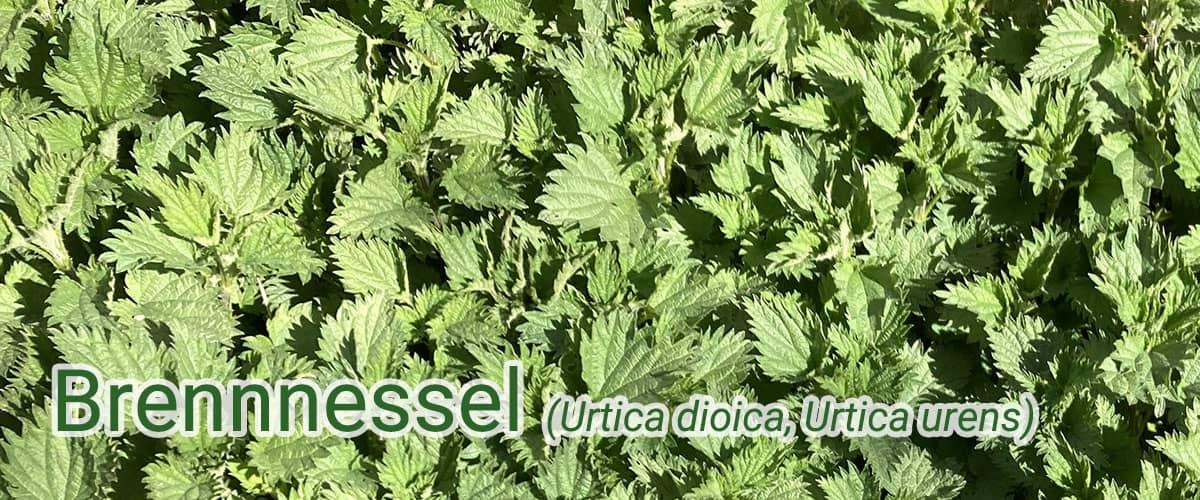
Brennnessel (Urtica dioica)
Die Brennnessel, eine der bedeutendsten Arzneipflanzen der Kelten Europas, besitzt einen außergewöhnlich hohen Vitamin A, Vitamin C, Calcium-, Eisen- und Kieselsäuregehalt. Eine große Vielzahl weiterer pflanzeneigener Wirkstoffe ließ sich wissenschaftlich nachweisen und etliche therapeutischen Effekte dokumentieren72-94:
- antioxidativ
- antientzündlich
- detoxifizierend
- antithrombotisch
- neuroprotektiv
- neuroregenerativ.
Brennnesselblätter fördern nicht nur die Zellregeneration, sondern auch das Überleben der Zellen im Gehirn unter erschwerten Bedingungen.
Brennnesselblätter gibt es als Brennnessel Tabs. Dosierung Brennnessel Tabs: 5-10 Tabs tgl.
Hopsan®
Die Inhaltsstoffe der traditionellen Rezeptur Hopsan® sind Ginkgo, Johanniskraut, Beifuß, Steinklee, Benediktenkraut, Wermut und rotes Weinrebenblatt. Sie hat sich bei Störungen im Nervensystem bewährt.
Die pflanzeneigenen Wirkstoffe und neuroessentiellen Mineralien dieser klassischen Rezeptur wirken Studien zufolge17-73, 158-171:
- neuroprotektiv
- Signalübertragung zwischen den Nervenzellen normalisierend
- antimikrobiell, antibiotisch, antiviral, vor allem in Gehirn und Nerven
- antientzündlich
- Mikrozirkulation verbessernd
- Gefäßwände stabilisierend
- entzündungshemmend auf neuroinflammatorische Prozesse
- Nervenzellen regenerierend, Hirnzellenabbau reduzierend
- kognitive Funktionen, wie z.B. Konzentration, mentale Leistungsfähigkeit, Merkfähigkeit und Gedächtnis normalisierend
- stimmungsaufhellend
- Immunsystem unterstützend.
Hopsan® kann insbesondere bei infektiös bedingten neurologischen, kognitiven und psychischen Beeinträchtigungen angewendet werden, u.a. bei neurotropen Erregern.
Die Rezeptur ist auch bei chronischen Schmerzzuständen und neurodegenerativen Erkrankungen, wie Demenz, Alzheimer und Multipler Sklerose geeignet.
Die traditionelle Rezeptur Hopsan® weist eine weitaus höhere Wirksamkeit als die Summe ihrer Einzelkomponenten auf. Die hohe Anzahl natürlicher Wirkstoffe jeder Pflanze umfasst eine Vielzahl biochemischer Verbindungen, welche über mehrere Wirkebenen hinweg sich gegenseitig ergänzen, unterstützen, puffern, Resistenzbildungen verhindern und zu optimaler Bioverfügbarkeit und Verstoffwechselung beitragen. Die Wirkung der Rezeptur entsteht nicht nur aus der Kombination der Arzneipflanzen, sondern in der spezifischen Gewichtung und Verbindung zu einer synergistischen Gesamtwirkung. Diese überlegene Effizienz gegenüber isolierten Einzelsubstanzen in Pharmaprodukten ist durch zahlreiche wissenschaftliche Studien belegt
Zum Erhalt des natürlichen Wirkstoff-Vollspektrums wird Hopsan® nach dem Sansalva®-Verfahren der Traditionellen Medizin, ohne genetisch modifizierte Arzneipflanzen, biozertifiziert, in Rohkost-Qualität und frei von Zusatz- und Konservierungsstoffen hergestellt.
Dosierung: 6 Tabs täglich. Nebenwirkungen sind nicht bekannt. Hopsan® kann mit anderen Arzneipflanzen und traditionellen Rezepturen kombiniert werden. Bei Allergien gegen eine oder mehrere Arzneipflanzen in der Rezeptur nicht verwenden. Hopsan-Tabs finden Sie hier in unserem Shop.
2. Ernährung
Die Ernährung entscheidet häufig über Erfolg oder Misserfolg einer Prophylaxe und erst recht einer Therapie. Anstatt auf Nahrungsergänzungsmittel – also isolierte Einzelstoffe – zu setzen, können wir mehrmals täglich mit den richtigen oder falschen Lebensmitteln unmittelbar positiv oder negativ auf unseren Gesundheitszustand einwirken. Natürliche Lebensmittel sind kombinierten Einzelstoffen überlegen, weil sie unzählige, teils noch unerforschte Inhaltsstoffe enthalten – und diese in einem physiologisch sinnvollen Verhältnis zueinander und einer besseren Bioverfügbarkeit.
Empfehlenswert sind frische, biologisch angebaute, gentechnikfreie, regionale, saisonale und vollwertige Lebensmittel. Dabei gilt das Prinzip: täglich „alle Regenbogenfarben“ essen, denn jede Farbe steht für unterschiedliche bioaktive Substanzen. Wichtig ist zudem eine ausreichende Flüssigkeitszufuhr – mindestens 2 Liter reines Wasser pro Tag -, damit der Stoffwechsel nicht „im Trockenen“ arbeiten muss und Abbauprodukte effektiv ausgeschieden werden können. Eine gesunde Ernährung wird idealerweise durch frische Kräuter und Gewürze ergänzt. Bevorzugt werden sollten frisch zubereitete Speisen – ohne Zusatzstoffe, Farbstoffe, Konservierungsstoffe sowie ohne Dosen- oder Mikrowellenzubereitung.
Für die Nerven wertvolle B-Vitamine finden sich besonders in: Vollkorngetreide (Hafer, Hirse, Amaranth, Quinoa), Hülsenfrüchten (Linsen, Kichererbsen, Bohnen), Nüssen und Samen (Mandeln, Walnüsse, Sonnenblumenkerne, Sesam), grünem Gemüse (Spinat, Grünkohl, Rucola), Pilzen sowie in Fisch (Lachs, Hering, Makrele, Sardine, Thunfisch), Eiern und Fleisch. Die für die Nervenfunktion wichtigen Fette Omega-3 (EPA/DHA), Cholin und Lecithin finden sich in hohen Mengen ebenso in diesen eben genannten in tierischen Lebensmitteln.
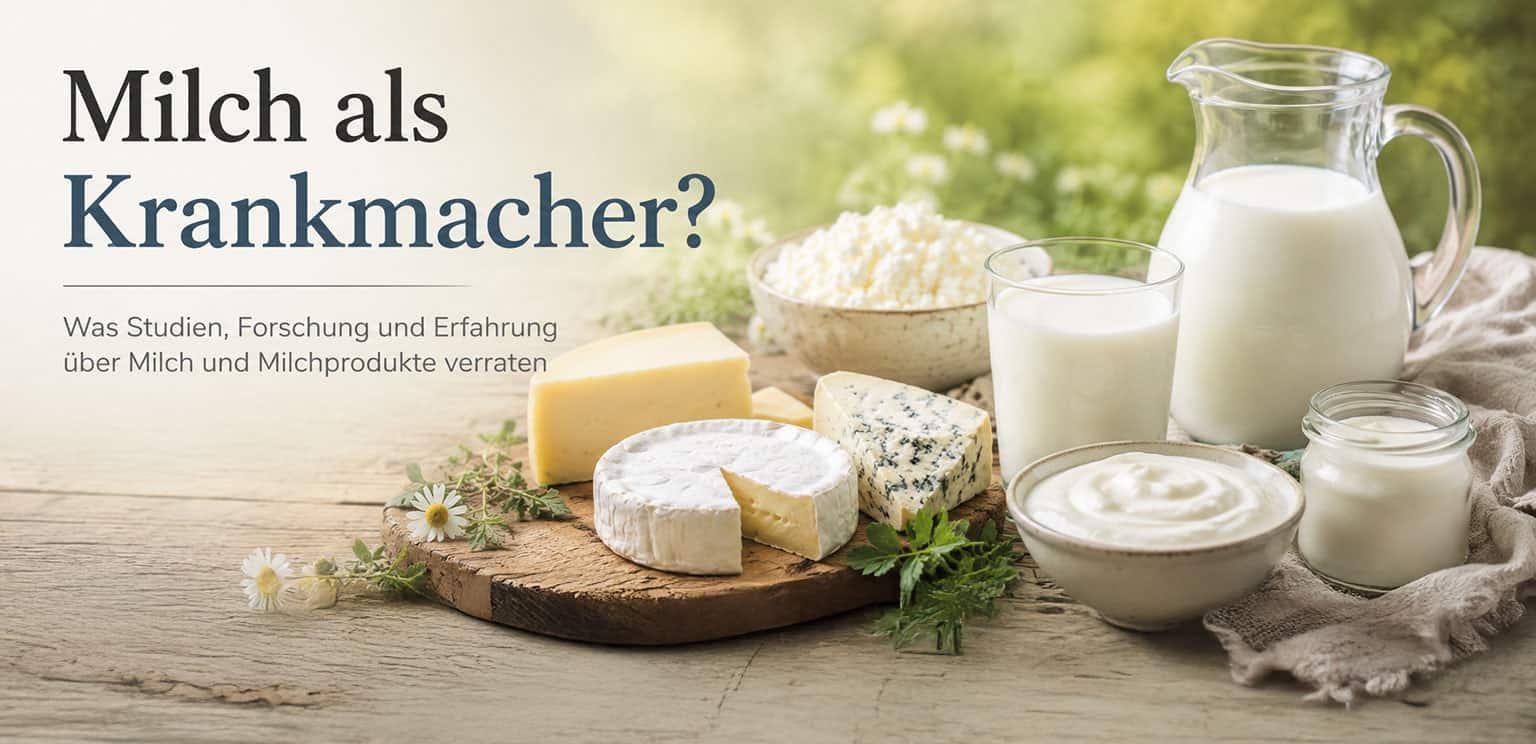
Einen kritischen Blick sollten wir auf Milch und Milchprodukte richten. Tierische Milch ist deutlich schlechter als ihr Ruf: Sie macht weder „müde Männer munter“ noch schützt sie vor Osteoporose oder stärkt das Immunsystem. Während Stillen und Muttermilch unbestritten gesund sind, zeigen mehrere große Beobachtungsstudien und Meta-Analysen, dass Kuhmilch keinen Schutz vor Osteoporose oder Frakturen bietet – teilweise ist sie sogar mit einem erhöhten Frakturrisiko assoziiert.95–98
Die größte Problematik betrifft jedoch unerwünschte immunologische Effekte sowie die Bildung von Stoffwechselschlacken, die in der Traditionellen Chinesischen Medizin als „Schleim“ bezeichnet werden. Verantwortlich sind die Milchbestandteile β-Lactoglobulin, D-Galactose, αS1-/αS2-Caseine, sowie bioaktive Peptide/Casomorphine und bovine IgG, IgA, IgM. Das Fremdimmunglobulin β-Lactoglobulin, das wichtigste Molkenprotein der Kuhmilch, fehlt vollständig in menschlicher Muttermilch. Es kann das Immunsystem reizen, allergisierend wirken und steht im Verdacht, immunologische Fehlreaktionen zu fördern. Einige Autoren diskutieren zudem den hohen D-Galactose-Gehalt, der in Tiermodellen oxidativen Stress und chronische Entzündungen verstärkt.99 Eine schwedische Langzeitstudie weist darüber hinaus auf erhöhte Krebsraten bei Milchkonsum hin.100 Weitere Arbeiten zeigen mögliche Zusammenhänge zwischen Casomorphin-Exposition und SIDS (plötzlicher Kindstod)101 sowie Autismus-Spektrum-Störungen.102–104
Bei der Verdauung entstehen aus β-Casein bioaktive Opioidpeptide, insbesondere β-Casomorphin-7 (BCM-7), das μ-Opioidrezeptoren aktiviert. Neben seiner opioidartigen Wirkung beeinflusst BCM-7 über diese Rezeptoren indirekt auch Prolaktin, Motilin, Oxytocin sowie neuropsychologische Achsen wie Dopamin und Serotonin. Psychisch erzeugt dies ein Belohnungs- und Genussgefühl und erklärt den beruhigenden, tröstenden Effekt105-106 – und damit das ausgeprägte Milch- oder Käseverlangen („Craving“) vieler Menschen.
Wir sind nicht dafür geschaffen lebenslang Milch zu trinken. Sobald wir Zähne haben, ist der Organismus auf feste Nahrung ausgerichtet. Und zum Thema Calcium: Der Calciumgehalt eines Glases Milch (200 ml) entspricht etwa einer Handvoll Samen und Saaten – zum Beispiel 16 g Mohn, 31 g Sesam, 57 g Tahin oder 96 g Mandeln – oder alternativ 22 g Algen (Wakame), 66 g Sardinen, 100 g Lachs, 96 g Tofu, 150 g grünem Blattgemüse wie Grünkohl oder Rucola, 150 g Getreide (Amaranth), 240 g weißen Bohnen oder rund 400 ml calciumreichem Trinkwasser.
Zu einer gesunden Ernährungsweise gehört zudem, bestimmte Lebensmittel und Substanzen zu vermeiden: Zucker, Schweinefleisch, Orangen und Orangensaft, Erdbeeren sowie Drogen wie Alkohol, Tabak, Cannabis und synthetische Substanzen.
3. Antiinfektiöse Therapie
Bei Störungen des Nervensystems denkt kaum jemand an Infektionen. Zahlreiche neurotrope Erreger bleiben deshalb unentdeckt – mit potenziell schweren Folgen: Sie können sich wie „Mottenfraß“ durch Nervenzellen und Gewebe arbeiten, Funktionen lahmlegen und irreversible Schäden verursachen. Eine gezielte Diagnostik zum Nachweis häufiger neurotroper Erreger ist daher entscheidend:
Bakterien / Parasiten / Protozoen:
- Borrelien – Borrelien-LTT/Elispot/I-Spot, CD57-NK-Zellen-Test
- Ehrlichien – Blutausstrich, PCR, Serologie (ELISA)
- Chlamydien – Serologie (IFT/ELISA), PCR, LTT/Elispot/I-Spot
- Babesien – Blutausstrich, PCR, FISH (Fluoreszenz-in-situ-Hybridisierung)
- Bartonellen – Serologie (IgM/IgG, IFA/ELISA), PCR, Histologie
- Mykoplasmen – Serologie, PCR, LTT/Elispot/I-Spot
- Rickettsien – Serologie (IFT/IFA), PCR
- Toxoplasmen – Serologie, PCR, LTT
Viren:
- EBV (Epstein-Barr-Virus) – Serologie (IgM, IgA, IgG, EA, EBNA), PCR, LTT/Elispot/I-Spot
- HHV-6 (Humanes Herpesvirus 6) – Serologie, PCR, LTT/Elispot/I-Spot
- FSME-Virus – Serologie, Neutralisationstest (NT/PRNT)
- Coxsackie-Viren – PCR, LTT/Elispot/I-Spot
- VZV (Varicella-Zoster-Virus) – PCR, LTT/Elispot/I-Spot
- CMV (Cytomegalievirus) – Serologie, PCR, LTT/Elispot/I-Spot
Für zahlreiche neu identifizierte Erreger fehlen bislang standardisierte Labormethoden.
Hinweise auf die Aktivität und das Ausmaß einer systemischen Entzündung geben folgende Parameter:
- Großes Blutbild
- Eiweiß-Elektrophorese
- BSG (1. und 2. Stunde)
- CRP sensitiv
- Homocystein
Wenig bekannt ist, dass konventionelle Liquoruntersuchungen trotz Infektion häufig unspezifisch oder unauffällig bleiben – insbesondere bei der Neuroborreliose.
Die Therapie richtet sich nicht allein nach dem Erregertyp und dem Einsatz spezifischer und daher schmal wirkender Antibiotika, Antiparasitika oder Antivirostatika. Effektiv ist ein breiter ganzheitlicher und systemischer Ansatz, der mehrere Ebenen einbezieht:
- Arzneipflanzen – insbesondere die oben genannten, die nachweislich auch bei antibiotikaresistenten Keimen wirksam sein können (einschließlich Artemisia annua)
- richtige Ernährung
- gesunde Alltagsgestaltung
- unterstützende Verfahren wie traditionelles Hammam, Tepidarium und Akupunktur
- Bewegungstherapie
4. Alltagsgestaltung
Unser heutiger Lebensalltag ist keineswegs mehr „normal“. Wir haben uns an eine ungesunde Lebensweise so sehr gewöhnt, dass wir kaum noch wahrnehmen, wie stark sie uns belastet – und welche Elemente einer gesunden Lebensführung uns fehlen. Eine Rückkehr zu einer natürlichen, ausgewogenen Alltagsgestaltung ist daher ein zentraler Faktor für Gesunderhaltung und Heilung.
Arbeits- und Privatleben sind heute häufig geprägt von Druck, Überlastung, Reizüberflutung durch soziale Medien und einem ständigen Strom äußerer Signale – mit der Folge einer permanent erhöhten Stresshormonaktivität. Echtes Abschalten wird selten. Pausen, Ruhe, Muße und Erholungszeiten, in denen der Körper eigene Endorphine („Glückshormone“) bildet, sind aus dem Alltag weitgehend verschwunden. Oft werden sie durch ungesunde Ersatzstrategien und Suchtverhalten überlagert – von digitalen Ablenkungen über Konsum, Longevity-Ideologien bis hin zu übersteigertem Sport- und Aktivitätsverhalten. Dabei sind gerade Phasen wirklicher Entspannung, in denen der Parasympathikus aktiv wird („off-Modus“), essenziell: Sie ermöglichen Heilungs-, Regenerations- und Aufbauprozeße. Bleiben diese aus und leben wir dauerhaft „online“, erreichbar und innerlich angespannt (Sympathikus-Daueraktivierung), führt das zu Ressourcenverbrauch, Raubbau, Erschöpfung und schließlich zum Ausbrennen.
Der regelmäßige Aufenthalt in der Natur – mit Licht, frischer Luft und Sonne – sowie Zeiten der Stille fördern nachweislich das Nervensystem und tragen zur Regeneration bei.107-113 Ebenso wichtig ist der sonntägliche Ruhetag, um die inneren „Akkus“ wieder aufzuladen. Studien zeigen, dass Menschen, die dies wahrnehmen, langfristig gesünder sind.114-116 Doch nicht nur der wöchentliche Ruhetag ohne Freizeitstress, sondern vor allem regelmäßige tägliche innere geistliche Aufbauzeiten – Zeiten der Dankbarkeit, der Sammlung, des Gebets und einer bewusst gepflegten lebendigen Beziehung zu Gott – schenken dem Menschen eine tiefere Kraftquelle. Wer in dieser geistlichen Haltung lebt, steht den Stürmen und Veränderungen des Alltags ganz anders gegenüber. Wer verwurzelt ist im geistlichen „Urgrund unseres Seins“, wie Meister Eckhart es beschreibt, gründet innerlich, unabhängig von wechselnden äußeren Umständen und Erwartungen. Aus dieser tiefen inneren Verwurzelung können Ruhe, Leichtigkeit, Freude und Unbeschwertheit wachsen. Diese geistliche Stabilität wirkt nicht nur auf die Lebensqualität – sie kann nachweislich sogar mit einer höheren Lebenserwartung einhergehen. Zahlreiche Studien weisen darauf hin.117-122 Der moderne Begriff der Psychoneuroimmunologie versucht diese Zusammenhänge wissenschaftlich zu beschreiben. Auch wenn er die geistliche Dimension nicht erfassen kann, bestätigt er doch, dass geistliche Verbundenheit, innerer Frieden und Gebet messbare positive Auswirkungen auf das Nerven-, Hormon- und Immunsystem haben.123-126
5. Bewegung außen & innen
Bewegung ist ein grundlegender Pfeiler der Gesundheit – und sie umfasst weit mehr als körperliche Aktivität allein. Äußere wie innere Bewegung gehören untrennbar zusammen: Der Körper braucht regelmäßige Aktivität, um beweglich, leistungsfähig, regenerationsfähig und gesund zu bleiben – und das Gehirn ebenso. Beides wirkt gegenseitig stärkend und unterstützt das Nervensystem.
Äußere Bewegung trainiert und erhält Motorik, Koordination, Muskulatur und körperliche Beweglichkeit. Entscheidend ist nicht maximale Leistung, sondern maßvolle, regelmäßige Aktivität ohne Überlastung, die das System stärkt. Die aktive äußere Bewegung umfasst alle Formen sanfter bis moderater körperlicher Betätigung im Freien – idealerweise an frischer Luft, im Tageslicht und möglichst mit natürlicher Sonnenexposition130-135:
- Spaziergänge und Wanderungen
- Gartenarbeit
- moderater Sport
- Alltagsbewegung im natürlichen Umfeld
Wichtig ist dabei Bewegung ohne Überforderung, ohne künstliche Überoptimierung und ohne inneren Leistungsdruck; keine „Muckibude-Mentalität“, sondern ein natürlicher, lebensnaher Umgang mit dem eigenen Körper.
Auch passive äußerliche Bewegung unterstützt Stoffwechsel, Durchblutung, Faszien und lymphatische sowie muskuläre Regeneration, etwa durch:
- Physiotherapie
- Osteopathie
- Massage
- manuelle Therapieformen
- Lymphdrainage
Diese Maßnahmen fördern Entspannung, lösen Blockaden, regulieren das autonome Nervensystem und können Schmerzen sowie nervale Irritationen deutlich lindern136-146.
Neben der äußeren Bewegung braucht der Mensch ebenso innere Bewegung, um mental flexibel, aufmerksam und kreativ zu bleiben. Sie schützt vor kognitivem Abbau, stärkt das Nervensystem und hält die psychische Gesundheit lebendig. Beispiele innerer Bewegung sind:
- regelmäßiges Lesen
- musizieren
- mentale Herausforderungen als „Gehirnjogging“
- Ehrenamt, gesellschaftliche Teilhabe
- berufliches Engagement – über das 65. Lebensjahr hinaus
Diese Formen innerer Aktivität fördern neuronale Plastizität und verbessern Gedächtnis, Konzentration und Problemlösefähigkeit147-157.
Es gibt also etliche Therapiemöglichkeiten, um Störungen des Nervensystems wirkungsvoll entgegenwirken zu können.
Literaturquellen:
- Deuschl G, Beghi E, Varga T, The burden of neurological diseases on Europe, Fact Sheet, EAN European Academy of Neurology, Vienna 2019.
- Steinmetz, Jaimie D et al. Global, regional, and national burden of disorders affecting the nervous system, 1990–2021: a systematic analysis for the Global Burden of Disease Study 2021, The Lancet Neurology, Volume 23, Issue 4, 344 – 381
- IHME Institute for Health Metrics and Evaluation, The Lancet Neurology: Neurological conditions now leading cause of ill health and disability globally, affecting 3.4 billion people worldwide, March 14, 2024
- Harris E. Neurological Conditions Are Leading Cause of Disability Worldwide, JAMA. 2024;331(17):1440.
- Wattenbach, C, Ellrichmann, G, et al. Incidence of Parkinson’s disease in Germany based on prevalence data from 70 million patients of the statutory health insurance. BMC Neurol 24, 221 (2024).
- Jacobi F, Wittchen HU, Hölting C, et al. Prevalence, co-morbidity and correlates of mental disorders in the general population: results from the German Health Interview and Examination Survey (GHS). Psychological Medicine. 2004;34(4):597-611.
- Asselmann E, Beesdo-Baum K, Hamm A, et al. Lifetime and 12-month prevalence estimates for mental disorders in northeastern Germany: findings from the Study of Health in Pomerania. Eur Arch Psychiatry Clin Neurosci. 2019 Apr;269(3):341-350. Formularende
- Jacobi, F, Höfler M, Siegert J et al (2014). Mental disorders in the general population. Study on the health of adults in Germany and the additional module mental health (DEGS1-MH). Der Nervenarzt. 85. 77-87. 10.1007/s00115-013-3961-y.
- Kohn R, Saxena S, Levav I, et al. The treatment gap in mental health care, Bulletin of the World Health Organization, November 2004, 82 (11)
- Streit, F., Zillich, L., Frank, J., et al. (2022). Lifetime and current depression in the German National Cohort (NAKO). The World Journal of Biological Psychiatry, 24(10), 865–880.
- Singh B, Kaur P, Gopichand, Singh RD, Ahuja PS. Biology and chemistry of Ginkgo biloba. Fitoterapia. 2008 Sep;79(6):401-18.
- Shen Y, Zhao H, Wang X, et al. Unraveling the web of defense: the crucial role of polysaccharides in immunity. Frontiers in Immunology. 2024;15:1406213.
- Biernacka P, Felisiak K, Adamska I, Śnieg M, Podsiadło C. Effect of Brewing Conditions on Antioxidant Properties of Ginkgo biloba Leaves Infusion. Antioxidants. 2023; 12(7):1455.
- Li Y, Sheng Y, Liu J, et al. Hair-growth promoting effect and anti-inflammatory mechanism of Ginkgo biloba polysaccharides. Carbohydr Polym. 2022 Feb 15;278:118811.
- Zhou XL, Yang M, Xue BG, et al. Anti-inflammatory action of Ginkgo Biloba leaf polysaccharide via TLR4/NF-κb signaling suppression. Biomedical Research 2014; 25 (4): 449-454 ISSN 0970-938X
- Fang J, Wang Z, Wang P, Wang M. Extraction, structure and bioactivities of the polysaccharides from Ginkgo biloba: A review. International Journal of Biological Macromolecules. 162. 10.1016/j.ijbiomac.2020.08.141.
- Gargouri B, Carstensen J, et al., Anti-neuroinflammatory effects of Ginkgo biloba extract EGb761 in LPS-activated primary microglial cells. Phytomedicine. 2018 May 15;44:45-55.
- Zou X, Liu S, Zou H, et al., Inflammatory mechanisms of Ginkgo Biloba extract in improving memory functions through lncRNA-COX2/NF-κB pathway in mice with status epilepticus. CNS Neurosci Ther. 2023 Jan;29(1):471-482.
- Zhang L, Li G, Tao S, et al., Ginkgo Biloba Extract Reduces Cardiac and Brain Inflammation in Rats Fed a HFD and Exposed to Chronic Mental Stress through NF-κB Inhibition. Mediators Inflamm. 2022 May 29;2022:2408598
- Kim MS, Bang JH, Lee J, Han JS, Baik TG, Jeon WK. Ginkgo biloba L. extract protects against chronic cerebral hypoperfusion by modulating neuroinflammation and the cholinergic system. Phytomedicine. 2016 Nov 15;23(12):1356-1364.
- Mohammed NA, Abdou HM, Tass MA, et al., Oral Supplements of Ginkgo biloba Extract Alleviate Neuroinflammation, Oxidative Impairments and Neurotoxicity in Rotenone-Induced Parkinsonian Rats. Curr Pharm Biotechnol. 2020;21(12):1259-1268.
- Gachowska M, Szlasa W, et al., Neuroregulatory role of ginkgolides. Mol Biol Rep. 2021 Jul;48(7):5689-5697.
- Zhou QP, Lu JF, Wang HP, Xia Q. [Ginkgo biloba extract protects brain from ischemia/reperfusion injuries]. Zhejiang Da Xue Xue Bao Yi Xue Ban. 2010 Jul;39(4):442-7.
- Diamond BJ, Bailey MR. Ginkgo biloba: indications, mechanisms, and safety. Psychiatr Clin North Am. 2013 Mar;36(1):73-83.
- Dubey AK, Shankar PR, Upadhyaya D, Deshpande VY. Ginkgo biloba–an appraisal. Kathmandu Univ Med J (KUMJ). 2004 Jul-Sep;2(3):225-9. PMID: 16400219.
- Kleijnen J, Knipschild P. Ginkgo biloba for cerebral insufficiency. Br J Clin Pharmacol. 1992 Oct;34(4):352-8.
- Tan MS, Yu JT, Tan CC, et al., Efficacy and adverse effects of ginkgo biloba for cognitive impairment and dementia: a systematic review and meta-analysis. J Alzheimers Dis. 2015;43(2):589-603.
- Khalil HMA, El Henafy HMA, et al., Hypericum perforatum L. Nanoemulsion Mitigates Cisplatin-Induced Chemobrain via Reducing Neurobehavioral Alterations, Oxidative Stress, Neuroinflammation, and Apoptosis in Adult Rats. Toxics. 2023 Feb 8;11(2):159.
- Uslusoy F, Nazıroğlu M, Övey İS, Sönmez TT. Hypericum perforatum L. supplementation protects sciatic nerve injury-induced apoptotic, inflammatory and oxidative damage to muscle, blood and brain in rats. J Pharm Pharmacol. 2019 Jan;71(1):83-92
- Sevastre-Berghian AC, Toma VA, et al., Characterization and biological effects of Hypericum extracts on experimentally-induced – anxiety, oxidative stress and inflammation in rats. J Physiol Pharmacol. 2018 Oct;69(5).
- Nahrstedt A, Butterweck V. Biologically active and other chemical constituents of the herb of Hypericum perforatum L. Pharmacopsychiatry. 1997;30 Suppl 2:129-134.
- Butterweck V, Nahrstedt A, Evans J, Rauser L, Savage J, Popadak B, et al. In vitro receptor screening of pure constituents of St John’s Wort reveals novel interactions with a number of GPCRs. Psychopharmacology (Berl). 2002;162(2):193-202.
- Hostanska K, Reichling J, Bommer S, Weber M, Saller R. Hyperforin a constituent of St John’s wort (Hypericum perforatum L.) extract induces apoptosis by triggering activation of caspases and with hypericin synergistically exerts cytotoxicity towards human malignant cell lines. European Journal of Pharmaceutics and Biopharmaceutics. 2003;56(1):121-132.
- Pleşca-Manea L, Pârvu AE, Pârvu M, Taămaş M, Buia R, Puia M. Effects of Melilotus officinalis on acute inflammation. Phytother Res. 2002 Jun;16(4):316-9.
- Merighi S, Travagli A, Tedeschi P, et al., Antioxidant and Antiinflammatory Effects of Epilobium parviflorum, Melilotus officinalis and Cardiospermum halicacabum Plant Extracts in Macrophage and Microglial Cells. Cells. 2021 Oct 8;10(10):2691.
- Zhao GC, Yuan YL, Chai FR, Ji FJ. Effect of Melilotus officinalis extract on the apoptosis of brain tissues by altering cerebral thrombosis and inflammatory mediators in acute cerebral ischemia. Biomed Pharmacother. 2017 May;89:1346-1352
- Pleşca-Manea L, et al. Effects of Melilotus officinalis on acute inflammation. Phytotherapy Research. 2002;16(1):63-66.
- Liu M, et al. Effect of Melilotus extract on lung injury via the nuclear factor-κB pathway in a rat model of sepsis. Molecular Medicine Reports. 2015;11(3):1817-1823.
- Liu YT, et al. Chemical constituents and antioxidant, anti-inflammatory and anti-tumor activities of Melilotus officinalis (Linn.) Pall. Molecules. 2018;23(2):271.
- Sowa-Borowiec P, Czernicka M, Jarecki W, Dżugan M. Sweet Clover (Melilotus spp.) as a Source of Biologically Active Compounds. Molecules. 2025 Jan 24;30(3):526
- Kaur S, et al. Evaluation of anxiolytic effect of Melilotus officinalis extracts in mice. (Dissertation/Artikel, 2017; Open-Access-PDF via CORE).
- Paun G, Neagu E, Albu C, Radu GL.: Inhibitory potential of some Romanian medicinal plants against enzymes linked to neurodegenerative diseases and their antioxidant activity.; Pharmacogn Mag. 2015 May; 11(Suppl 1): S110-6.
- Szabó I, Pallag A, Blidar CF: The Antimicrobial Activity of the Cnicus benedictus L. Extracts.; Analele Universităţii din Oradea, Fascicula Biologie, Tom. XVI / 1, pp. 126-128. 2009.
- Vanhaelen-Fastre, R. Antibiotic and cytotoxic activity of cnicin isolated from Cnicus benedictus L. J Pharm Belg. 1972; 27(6):683-688.
- Vanhaelen-Fastre, R. Constitution and antibiotical properties of the essential oil of Cnicus benedictus (author’s transl). Planta Medica 1973; 24(2):165-175.
- Vanhaelen-Fastre R. Polyacetylen compounds from Cnicus benedictus. Planta Medica 1974; 25:47-59.
- Vanhaelen-Fastre, R. and Vanhaelen, M. Antibiotic and cytotoxic activity of cnicin and of its hydrolysis products. Chemical structure – biological activity relationship (author’s transl). Planta Medic 1976; 29(2):179-189.
- Bartram T. Encyclopedia of Herbal Medicine. London: Robinson. 1998.
- Chevalier A. Encyclopedia of Herbal Medicine. 2nd ed. Great Britain: Dorling Kindersley. 2000.
- Maeda Y and Mitsuya H. Antiretroviral chemotherapy against AIDS. Med Biol Environ 1995; 23:267-278.
- Yang L, Lin S, Yang T, and et al. Synthesis of anti-HIV activity of dibenzylbutyrolactone lignans. Bioorg Med Chem Lett 1996; 6(8):941-944.
- Eich, E, Pertz, H, Kaloga, M, Schulz, Fesen, MR, Mazumder, A, Pommier, Y. (-)-Arctigenin as a lead structure for inhibitors of human immunodeficiency virus type-1 integrase. J Med Chem 1-5-1996; 39(1):86-95.
- Seal A, Aykkal R, O Babu R, Ghosh M: Docking study of HIV-1 reverse transcriptase with phytochemicals.; Bioinformation. 2011; 5(10): 430–439. PMCID: PMC3055157.
- Chabane D, Assani A, et al. Anatomical, phytochemical and pharmacological studies of roots of Cnicus benedictus L. Research Laboratory on Arid Zones (L.R.Z.A), Faculty of Biology, University of Sciences and Technology (USTHB), Bab Ezzouar, Algiers 16111, Algeria. 2013.
- Vanhaelen M and Vanhaelen-Fastre R. Lactonic lignans from Cnicus benedictus. Phytochemistry 1975; 14:2709.
- Ulbelen A and Berkan T. Triterpenic and steroidal compounds of Cnicus benedictus. Planta Medica 1977; 31:375-377.
- Mascolo N, Autore G, Caspasso F, and et al. Biological screening of Italian medicinal plants for antiinflammatory activity. Phytother Res 1987; 1:28-31.
- Nose, M., Fujimoto, T., Nishibe, S., and Ogihara, Y. Structural transformation of lignan compounds in rat gastrointestinal tract; II. Serum concentration of lignans and their metabolites. Planta Medica 1993; 59(2):131-134.
- Cobb E. Antineoplastic agent from Cnicus benedictus. Patent Brit 1973; 335:181.
- Hirano, T., Gotoh, M., and Oka, K. Natural flavonoids and lignans are potent cytostatic agents against human leukemic HL-60 cells. Life Sci 1994; 55(13):1061-1069.
- Ryu SY, Ahn JW, Kang YH, and et al. Antiproliferative effect of arctigenin and arctiin. Arch Pharm Res 1995; 18(6):462-463.
- Jöhrer K et al: Antimyeloma activity of the sesquiterpene lactone cnicin: impact on Pim-2 kinase as a novel therapeutic target.; J Mol Med (Berl). 2012 Jun; 90(6):681-93.
- Al-Samarrarri YS, Saleh M, Hussein RS: The extraction of root for Cnicus benedictus on cancer cell line.; LAP Lambert Academic Publishing (2016-01-27), ISBN-13: 978-3-659-83097-6.
- Budzynska K, Gardner ZE, Low Dog T, Gardiner P: Complementary, Holistic, and Integrative Medicine: Advice for Clinicians on Herbs and Breastfeeding.; Pediatr Rev. 2013 Aug; 34(8): 343–353.
- Aouey B, Samet AM, Fetoui H, et al., Anti-oxidant, anti-inflammatory, analgesic and antipyretic activities of grapevine leaf extract (Vitis vinifera) in mice and identification of its active constituents by LC-MS/MS analyses. Biomed Pharmacother. 2016 Dec;84:1088-1098
- Duangjan C, Rangsinth P, Zhang S, Gu X, Wink M, Tencomnao T. Vitis Vinifera Leaf Extract Protects Against Glutamate-Induced Oxidative Toxicity in HT22 Hippocampal Neuronal Cells and Increases Stress Resistance Properties in Caenorhabditis Elegans. Front Nutr. 2021 Jun 11;8:634100.
- Reuter J, Wölfle U, Korting HC, Schempp C. Which plant for which skin disease? Part 2: Dermatophytes, chronic venous insufficiency, photoprotection, actinic keratoses, vitiligo, hair loss, cosmetic indications. J Dtsch Dermatol Ges. 2010 Nov;8(11):866-73.
- Dani C, Oliboni LS, Agostini F, et al., Phenolic content of grapevine leaves (Vitis labrusca var. Bordo) and its neuroprotective effect against peroxide damage. Toxicol In Vitro. 2010 Feb;24(1):148-53.
- Micheli L, Mattoli L, Maidecchi A, et al., Effect of Vitis vinifera hydroalcoholic extract against oxaliplatin neurotoxicity: in vitro and in vivo evidence. Sci Rep. 2018 Sep 25;8(1):14364.
- Sangiovanni E, Di Lorenzo C, et al., Vitis vinifera L. Leaf Extract Inhibits In Vitro Mediators of Inflammation and Oxidative Stress Involved in Inflammatory-Based Skin Diseases. Antioxidants (Basel). 2019 May 16;8(5):134.
- Wohlenberg M, Almeida D, Bokowski L, et al., Antioxidant Activity of Grapevine Leaf Extracts against Oxidative Stress Induced by Carbon Tetrachloride in Cerebral Cortex, Hippocampus and Cerebellum of Rats. Antioxidants (Basel). 2014 Apr 2;3(2):200-11.
- Kalus U, Koscielny J, Grigorov A, Schaefer E, Peil H, Kiesewetter H. Improvement of cutaneous microcirculation and oxygen supply in patients with chronic venous insufficiency by orally administered extract of red vine leaves AS 195: a randomised, double-blind, placebo-controlled, crossover study. Drugs R D. 2004;5(2):63–71.
- Grau M, Bölck B, Bizjak DA, Stabenow CJA, Bloch W. The red-vine-leaf extract AS195 increases nitric oxide synthase-dependent nitric oxide generation and decreases oxidative stress in endothelial and red blood cells. Pharmacol Res Perspect. 2016;4(1):e00213.
- Toldy A, Stadler K, Sasvári M, et al. The effect of exercise and nettle supplementation on oxidative stress markers in the rat brain. Brain Res Bull. 2005 May 30;65(6):487-93.
- Cetinus E, Kilinc M, et al. The role of urtica dioica (urticaceae) in the prevention of oxidative stress caused by tourniquet application in rats. Tohoku J Exp Med. 2005 Mar;205(3):215-21.
- Broer J, Behnke B. Immunosuppressant effect of IDS 30, a stinging nettle leaf extract on myeloid dendritic cells in vitro. J Rheumatol 2002;29(4):659–666.
- Sharma, Namisha et al., Genomics approaches to synthesis plant-based biomolecules for therapeutic applications to combat SARS-CoV-2. Genomics, vol. 112,6 4322–4331. 24 Jul. 2020,
- Kumaki Y., Wandersee M.K., al, Inhibition of severe acute respiratory syndrome coronavirus replication in a lethal SARS-CoV BALB/c mouse model by stinging nettle lectin, Urtica dioica agglutinin. Antivir. Res. 2011;90:22–32.
- El Haouari M, Bnouham M, Bendahou M, Aziz M, Ziyyat A, Legssyer A, Mekhfi H. Inhibition of rat platelet aggregation by Urtica dioica leaves extracts. Phytother Res. 2006 Jul;20(7):568-72.
- Teucher T, Obertreis B, Ruttkowski T, Schmitz H. Cytokine secretion in whole blood of healthy subjects following oral administration of Urtica dioica L. plant extract. Arzneimittelforschung. 1996 Sep;46(9):906-10.
- Klingelhoefer, S, Obertreis B, et al., B. Antirheumatic effect of IDS 23, a stinging nettle leaf extract, on in vitro expression of T helper cytokines. The Journal of rheumatology. 26. 2517-22. (2000).
- Riehemann K, Behnke B, Schulze-Osthoff K. Plant extracts from stinging nettle (Urtica dioica), an antirheumatic remedy, inhibit the proinflammatory transcription factor NF-kappaB. FEBS Lett. 1999 Jan 8;442(1):89-94.
- Chrubasik S, Enderlein W, Bauer R, Grabner W. Evidence for antirheumatic effectiveness of Herba Urticae dioicae in acute arthritis: A pilot study. Phytomedicine. 1997 Jun;4(2):105-8. doi: 10.1016/S0944-7113(97)80052-9.
- Hajja G, Bahlouli A. Medicinal plants in the prevention and treatment of rheumatoid arthritis. MOJ Bioequiv Availab. 2018;5(1):60-64.
- Schulze-Tanzil G, de SP, Behnke B, Klingelhoefer S, et al., Effects of the antirheumatic remedy hox alpha–a new stinging nettle leaf extract–on matrix metalloproteinases in human chondrocytes in vitro. Histol Histopathol. 2002 Apr;17(2):477-85.
- Chrubasik JE, Roufogalis BD, Wagner H, Chrubasik S. A comprehensive review on the stinging nettle effect and efficacy profiles. Part II: urticae radix. Phytomedicine. 2007 Aug;14(7-8):568-79. Epub 2007 May 16.
- Yang CL, Or TC, Ho MH, Lau AS. Scientific basis of botanical medicine as alternative remedies for rheumatoid arthritis. Clin Rev Allergy Immunol. 2013 Jun;44(3):284-300.
- Hajja G, Bahlouli A. Medicinal plants in the prevention and treatment of rheumatoid arthritis. MOJ Bioequiv Availab. 2018;5(1):60-64.
- Liao J, Wei Z, Ma Z, Zhao C, Cai D. Evaluation of a root extract gel from Urtica dioica (Urticaceae) as analgesic and anti-inflammatory therapy in rheumatoid arthritis in mice. Trop J Pharm Res 2016; 15
- Moré M, Gruenwald J, Pohl U, Uebelhack R. A Rosa canina – Urtica dioica – Harpagophytum procumbens/zeyheri Combination Significantly Reduces Gonarthritis Symptoms in a Randomized, Placebo-Controlled Double-Blind Study. Planta Med. 2017 Dec;83(18):1384-1391.
- Akbari H, Fatemi MJ, Iranpour M et al. The Healing Effect of Nettle Extract on Second Degree Burn Wounds. World J Plast Surg. 2015 Jan; 4(1): 23–28.
- Namazi N, Esfanjani AT, Heshmati J, Bahrami A. The effect of hydro alcoholic Nettle (Urtica dioica) extracts on insulin sensitivity and some inflammatory indicators in patients with type 2 diabetes: a randomized double-blind control trial. Pak J Biol Sci. 2011 Aug 1;14(15):775
- Kianbakht S, Khalighi-Sigaroodi F, Dabaghian FH. Improved glycemic control in patients with advanced type 2 diabetes mellitus taking Urtica dioica leaf extract: a randomized double-blind placebo-controlled clinical trial. Clin Lab. 2013;59(9-10):1071-6.
- Obanda DN, Ribnicky D, Yu Y, Stephens, J, Cefalua WT. An extract of Urtica dioica L. mitigates obesity induced insulin resistance in mice skeletal muscle via protein phosphatase 2A (PP2A). Sci Rep. 2016; 6: 22222. Published online 2016 Feb 26.
- Michaëlsson K, Wolk A, Langenskiöld S, et al. Milk intake and risk of mortality and fractures in women and men: cohort studies. BMJ. 2014;349:g6015
- Feskanich D, Willett WC, Colditz GA. Milk, dietary calcium, and bone fractures in women: a 12-year prospective study. Am J Public Health. 1997;87(6):992-997.
- Mishra S, et al. Dairy intake and risk of hip fracture in prospective cohort studies: non-linear dose-response analysis in 486,950 adults. J Nutr Sci. 2023;12:e56.
- Malmir H, Larijani B, Esmaillzadeh A. Consumption of milk and dairy products and risk of osteoporosis and hip fracture: a systematic review and meta-analysis. Crit Rev Food Sci Nutr. 2020;60(10):1722-1737.
- Michaëlsson K, Wolk A, Langenskiöld S, et al. Milk intake and risk of mortality and fractures in women and men: cohort studies. BMJ. 2014;349:g6015
- Kaluza J, Komatsu S, Lauriola M, et al. Long-term consumption of non-fermented and fermented dairy products and risk of breast cancer by estrogen receptor status – a population-based prospective cohort study. Clin Nutr. 2020;40(4):1966-1973.
- Sun Z, Cade JR, Fregly MJ, Privette RM. β-Casomorphin-7 immunoreactivity in the serum of infants with apnea. Peptides. 2003;24(6):937-943.
- Sokolov OY, Kost NV, Andreeva LA, et al. Autistic children display elevated urine levels of bovine casomorphin-7 immunoreactivity. Peptides. 2014;56:68-71.
- Sienkiewicz-Szłapka E, Kostyra E, et al. Beta-casomorphin-7 in children with autism – serum/urine levels and DPP-4 activity. Acta Biochim Pol. 2012;59(Suppl 3):31.
- Cieślińska A, Fiedorowicz E, Wasilewska J, et al. Influence of candidate SNPs in μ-opioid receptor (OPRM1) and dipeptidyl peptidase IV (DPP4) genes on molecular response to β-casomorphin-7 in autistic and healthy children. Peptides. 2015;65:6-11
- Nguyen DD et al. Formation and degradation of β-casomorphins in dairy processing. Crit Rev Food Sci Nutr. 2015.
- EFSA CONTAM Panel (2009). Review of β-casomorphins.
- Bettmann JE, Speelman E, Jolley A, Casucci T. A Systematic Review and Meta-Analysis on the Effect of Nature Exposure Dose on Adults with Mental Illness. Behavioral Sciences. 2025; 15(2):153.
- Jimenez MP, DeVille NV, Elliott EG, Schiff JE, Wilt GE, Hart JE, James P. Associations between Nature Exposure and Health: A Review of the Evidence. Int J Environ Res Public Health. 2021 Apr 30;18(9):4790.
- White MP, Alcock I, Grellier J, Bell S, Elliott LR, Gascon M, Gualdi S, Mancini L, Nieuwenhuijsen MJ, Sarigiannis D, et al. Spending at least 120 minutes a week in nature is associated with good health and wellbeing. Scientific Reports 9, 7730 (2019).
- Peter A. Coventry, JenniferV.E. Brown, Jodi Pervin, Sally Brabyn, Rachel Pateman, Josefien Breedvelt, Simon Gilbody, Rachel Stancliffe, Rosemary McEachan, PiranC.L. White,
- Nature-based outdoor activities for mental and physical health: Systematic review and meta-analysis, SSM – Population Health, Volume 16, 2021, 100934, ISSN 2352-8273
- Donelli D, Lazzeroni D, Rizzato M, Antonelli M. Silence and its effects on the autonomic nervous system: A systematic review. Prog Brain Res. 2023;280:103-144.
- Gude D. Is silence really golden? Indian J Community Med. 2012 Jan;37(1):59.
- Bigler C, Hitzblech T, Buschauer A, Amacker M. Auswirkungen von Sonntagsarbeit. Forschungsbericht IZFG, Universität Bern; 2025.
- Wirtz A, Nachreiner F, Rolfes K. Working on Sundays–effects on safety, health, and work-life balance. Chronobiol Int. 2011 May;28(4):361-70.
- Sato K, Kuroda S, Owan H. Mental health effects of long work hours, night and weekend work, and short rest periods, Social Science & Medicine, Volume 246, 2020, 112774, ISSN 0277-9536
- Simão TP, Caldeira S, De Carvalho EC. The Effect of Prayer on Patients’ Health: Systematic Literature Review. Religions. 2016; 7(1):11.
- Zimmer Z, Jagger C, Chiu CT, et al. Spirituality, religiosity, aging and health in global perspective: A review, SSM – Population Health, Volume 2, 2016, Pages 373-381, ISSN 2352-8273
- Dominguez LJ, Veronese N, Barbagallo M. The link between spirituality and longevity. Aging Clin Exp Res. 2024 Feb 11;36(1):32.
- Helm HM, Hays JC, Flint EP, et al. Does Private Religious Activity Prolong Survival? A Six-Year Follow-up Study of 3,851 Older Adults, The Journals of Gerontology: Series A, Volume 55, Issue 7, 1 July 2000, Pages M400–M405
- George, Linda & Ellison, C. & Larson, D.. (2002). Explaining the relationships between religious involvement and health. Psychological Inquiry. 13. 190-200.
- Chida Y, Steptoe A, Powell LH. Religiosity/spirituality and mortality. A systematic quantitative review. Psychother Psychosom. 2009;78(2):81-90
- Schnell T, Fuchs D, Hefti R. Worldview Under Stress: Preliminary Findings on Cardiovascular and Cortisol Stress Responses Predicted by Secularity, Religiosity, Spirituality, and Existential Search. J Relig Health. 2020 Dec;59(6):2969-2989
- Woods TE, Antoni MH, Ironson GH, Kling DW, Religiosity is associated with affective and immune status in symptomatic hiv-infected gay men, Journal of Psychosomatic Research, Volume 46, Issue 2, 1999, Pages 165-176, ISSN 0022-3999
- Módis LV, Aradi Z, Horváth IF, et al. Spirituality is associated with immune parameters and disease activity in primary Sjögren’s syndrome: a cross-sectional study. Sci Rep. 2024 May 30;14(1):12473.
- Shattuck EC, Muehlenbein MP. Religiosity/Spirituality and Physiological Markers of Health. J Relig Health. 2018;57(6):2321-2341.
- Kim Y, Wilkens LR, Schembre SM, et al. Insufficient and excessive amounts of sleep increase the risk of premature death from cardiovascular and other diseases: the Multiethnic Cohort Study. Prev Med. 2013 Oct;57(4):377-85.
- Hou, C., Lin, Y., Zimmer, Z. et al. Association of sleep duration with risk of all-cause mortality and poor quality of dying in oldest-old people: a community-based longitudinal study. BMC Geriatr 20, 357 (2020).
- Park, S.J., Park, J., Kim, B.S. et al. The impact of sleep health on cardiovascular and all-cause mortality in the general population. Sci Rep 15, 30034 (2025).
- Twohig-Bennett C, Jones A. The health benefits of the great outdoors: A systematic review and meta-analysis of greenspace exposure and health outcomes. Environ Res. 2018 Oct;166:628-637.
- Di Liegro CM, Schiera G, Proia P, Di Liegro I. Physical Activity and Brain Health. Genes (Basel). 2019 Sep 17;10(9):720.
- Boere, K., Lloyd, K., Binsted, G. et al. Exercising is good for the brain but exercising outside is potentially better. Sci Rep 13, 1140 (2023)
- Mahalakshmi B, Maurya N, Lee S-D, Bharath Kumar V. Possible Neuroprotective Mechanisms of Physical Exercise in Neurodegeneration. International Journal of Molecular Sciences. 2020; 21(16):5895.
- Santiago JA, Potashkin JA. Physical activity and lifestyle modifications in the treatment of neurodegenerative diseases, Frontiers in Aging Neuroscience, Volume 15 – 2023
- Gladwell, V.F., Brown, D.K., Wood, C. et al. The great outdoors: how a green exercise environment can benefit all. Extrem Physiol Med 2, 3 (2013).
- Henley CE, Ivins D, Mills M, Wen FK, Benjamin BA. Osteopathic manipulative treatment and its relationship to autonomic nervous system activity as demonstrated by heart rate variability: a repeated measures study. Osteopath Medicine and Primary Care. 2008 Jun 5;2:7.
- Rogan S, Taeymans J, Berger I, Baur H. Manual spinal therapy techniques to stimulate the autonomic nervous system – a scoping review. Sportverletz Sportschaden. 2023;37(2):67-78.
- Field T. Massage therapy research review. Complement Ther Clin Pract. 2016 Aug;24:19-31
- Field T. Massage therapy research review – development of research from 2005 onward. Developmental Review. 2007;27:75-89.
- Field T, Diego M, Hernandez-Reif M, et al. Cortisol decreases and serotonin and dopamine increase following moderate pressure massage therapy. International Journal of Neuroscience. 2005;115(10):1397-1413.
- Tiffany M. Field. Touch Therapy Effects on Development. British Journal of Educational Psychology. 1998;68(4):391-402.
- Lovas J. The Role of Massage Therapy in Managing Secondary Conditions. Spinal Cord Injury Research (SCI) 2008;14(1):61-69.
- Honguten A, Mekhora K, Pichaiyongwongdee S, Somprasong S. Effects of lymphatic drainage therapy on autonomic nervous system responses in healthy subjects: A single blind randomized controlled trial. J Bodyw Mov Ther. 2021 Jul;27:169-175.
- Shim JM, Yeun YR, Kim HY, Kim SJ. Effects of manual lymph drainage for abdomen on the brain activity of subjects with psychological stress. Journal of Physical Therapy Science. 2017;29(3):491–494.
- Roth C, Stitz H, Ferbert A, et al. Craniocervical manual lymphatic drainage and its impact on intracranial pressure – a pilot study. European Journal of Neurology. 2016;23(9):1441–1446.
- Esparza WD, Aladro-Gonzalvo AR, Ruíz-Hontangas A, et al. The Effect of Craniofacial Manual Lymphatic Drainage after Moderate Traumatic Brain Injury. Healthcare (Basel). 2023;11(10):1474.
- Böttcher, A., Billiet, F., Nolder, S. et al. Musical Activity During Life Is Associated With Multi-Domain Cognitive Abilities and Brain Morphology in Older Adults. Frontiers in Psychology, 2022;13:945709.
- Zhang, L., et al. Long-term musical training can protect against age-related neural recruitment during speech-in-noise perception. PLoS Biology, 2025.
- Villalonga-Olives E, et al. Longitudinal impact of volunteering on the cognitive functioning of older adults. BMC Geriatrics. 2023; 23:452.
- Keefer A, Kolominsky-Rabas P, et al. Volunteering boosts cognitive performance of volunteers: A systematic review. Friedrich-Alexander-Universität Erlangen-Nürnberg / digiDEM Bayern, 2023.
- Anderson, N. D., Damianakis, T., Kröger, E., et al (2014). The benefits associated with volunteering among seniors: A critical review and recommendations for future research. Psychological Bulletin, 140(6), 1505-1533.
- Xue B., Tancredi A., Zhong J., et al. Effect of retirement on cognitive function: the Whitehall II cohort study. European Journal of Epidemiology. 2018;33(11):1089-1099.
- Hale, J.M. et al. Does postponing retirement affect cognitive function? Preventive Medicine Reports. 2021.
- Vélez-Coto, M., Andel, R., Pérez-García, M., Caracuel, A. Associations With Cognitive Functioning and Change After Retirement: Complexity of Work With People. Mind, Brain and Behavior Research Center, University of Granada; 2021.
- Duffner, L. A., et al. Associations between social health factors, cognitive activity engagement and dementia risk. Neuroscience & Biobehavioral Reviews, 2023.
- Dhana, K., et al. Cognitive Activity From Early to Late Life and the Risk of Alzheimer’s Dementia. Neurology, 2025.
- The Waiting Room Editorial Team. The Benefits of Cognitive Activity on Brain Health. Karger Knowledge Transfer, August 2023.
- Brondino N, De Silvestri A, Re S, et al. Systematic Review and Meta-Analysis of Ginkgo biloba in Neuropsychiatric Disorders: From Ancient Tradition to Modern-Day Medicine. Evid Based Complement Alternat Med. 2013;2013:915691.
- Zhu C, Liu J, Lin J, Xu J, Yu E. Investigating the effects of Ginkgo biloba leaf extract on cognitive function in Alzheimer’s disease. CNS Neurosci Ther. 2024 Sep;30(9):e14914.
- Kim MS, Bang JH, Lee J, Han JS, Baik TG, Jeon WK. Ginkgo biloba L. extract protects against chronic cerebral hypoperfusion by modulating neuroinflammation and the cholinergic system. Phytomedicine. 2016 Nov 15;23(12):1356-1364.
- Diamond BJ, Bailey MR. Ginkgo biloba: indications, mechanisms, and safety. Psychiatr Clin North Am. 2013 Mar;36(1):73-83.
- Wang J, Chen X, Bai W, Wang Z, Xiao W, Zhu J. Study on Mechanism of Ginkgo biloba L. Leaves for the Treatment of Neurodegenerative Diseases Based on Network Pharmacology. Neurochem Res. 2021 Jul;46(7):1881-1894.
- Chira A, Lorenzetti S. Modulatory Effects of Urtica dioica on Neurodegenerative Diseases: Unveiling the Latest Findings and Applications Related to Neuroinflammation, Oxidative Stress, and Cognitive Dysfunction. Antioxidants (Basel). 2025 Jul 12;14(7):854.
- Szegedi A, Kohnen R, Dienel A, Kieser M. Acute treatment of moderate to severe depression with hypericum extract WS 5570 (St John’s wort): randomised controlled double blind non-inferiority trial versus paroxetine. BMJ. 2005 Mar 5;330(7490):503.
- Gobrecht P, Gebel J, Leibinger M, et al. Cnicin promotes functional nerve regeneration. Phytomedicine. 2024 Jul;129:155641.
- Bora KS, Sharma A, Neuroprotective effect of Artemisia absinthium L. on focal ischemia and reperfusion-induced cerebral injury. J Ethnopharmacol. 2010 Jun 16;129(3):403-9.
- Zeng KW, Liao LX, Song XM et al. Caruifolin D from artemisia absinthium L. inhibits neuroinflammation via reactive oxygen species-dependent c-jun N-terminal kinase and protein kinase c/NF-κB signaling pathways. Eur J Pharmacol. 2015 Nov 15; 767:82-93.
- Hassani M, Soleimani M, Esmaeilzadeh E, Zare-Abdollahi D, Khorram Khorshid H R. Healing Influence of Melilotus Officinalis Herbal Extract on Experimental Autoimmune Encephalomyelitis in C57BL/6 Mice. Iran J Pharm Res.2020;19(4):e124663.
- European Scientific Cooperative On Phytotherapy. ESCOP monographs The Scientific Foundation for Herbal Medicinal Products. Online series. Vitis viniferae folium (Red vine leaf). Exeter: ESCOP; 2020.
- European Medicine Agency, Committee on Herbal Medicinal Products (HMPC) Assessment report on Vitis vinifera L., folium, 22 November 2016 EMA/HMPC/464682/2016
- Ardid-Ruiz A, Harazin A, et al. The effects of Vitis vinifera L. phenolic compounds on a blood-brain barrier culture model: Expression of leptin receptors and protection against cytokine-induced damage. J Ethnopharmacol. 2020 Jan